The Dead Sea Scrolls, a collection of ancient Jewish manuscripts discovered in the mid-20th century, have fascinated scholars and the public alike for decades. These texts, dating from the third century BCE to the first century CE, offer invaluable insights into the development of religious thought and textual transmission. However, their fragile state—a result of age, environmental exposure, and past handling—poses significant challenges for study and preservation. In recent years, new conservation efforts have emerged, employing advanced imaging technologies to uncover faded or obscured text without causing further damage.
These efforts are not merely about saving physical artefacts; they are about retrieving knowledge that has been hidden for millennia. The scrolls are housed in various institutions, and their conservation involves a delicate balance between access and protection. This article explores the methods and implications of these ongoing conservation projects, highlighting how cutting-edge imaging is reshaping our understanding of these ancient documents.
As we delve into this topic, it is important to recognise that the outcomes of such work are not predetermined. The success of conservation depends on numerous factors, including the condition of the scrolls, the availability of resources, and the collaboration among experts. What follows is an overview of the processes involved, the technologies applied, and the interpretations that may emerge, all framed within the context of responsible stewardship.
Understanding the Dead Sea Scrolls and Their Significance
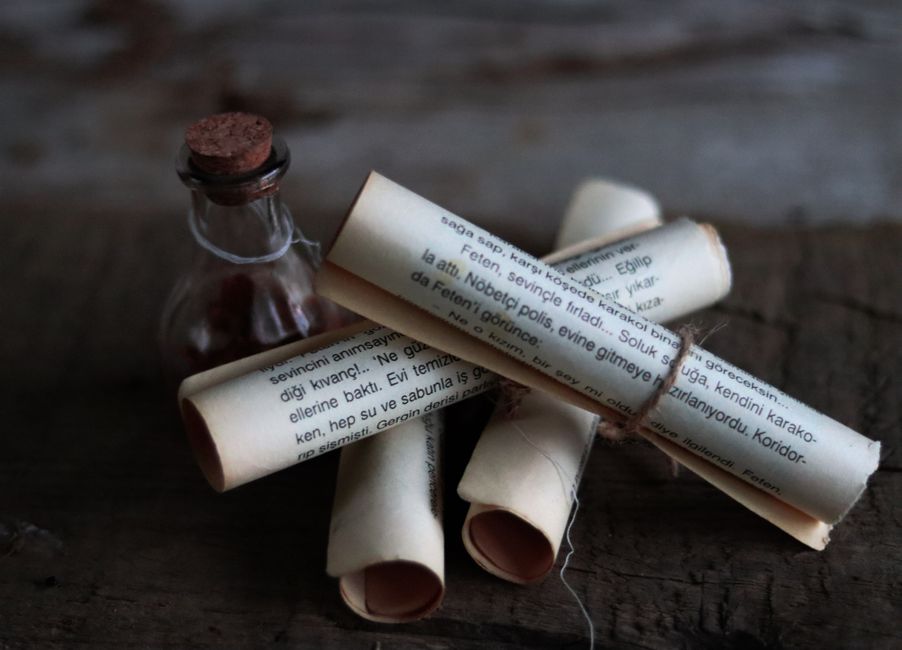
The Dead Sea Scrolls comprise thousands of fragments from approximately 900 manuscripts, found in caves near Qumran on the northwest shore of the Dead Sea. They include biblical texts, sectarian writings, and other documents that illuminate the religious and cultural milieu of the Second Temple period. Their discovery in 1947 and subsequent excavations have been hailed as one of the most significant archaeological finds of the 20th century, providing a window into the ancient world that was previously unavailable.
For scholars, the scrolls are crucial for understanding the textual history of the Hebrew Bible and the diversity of Jewish thought in antiquity. For the public, they represent a tangible link to the past, capturing the hopes, beliefs, and struggles of communities that lived millennia ago. The scrolls are primarily made of parchment and papyrus, materials that are highly susceptible to deterioration when exposed to light, moisture, and temperature fluctuations.
Given their age and fragility, any physical handling or exhibition can accelerate their decay. Therefore, conservation strategies must prioritise non-invasive techniques that allow researchers to extract information without compromising the integrity of the scrolls. This imperative has driven the adoption of sophisticated imaging methods that can penetrate layers of dirt, stains, and even the material itself to reveal text that is invisible to the naked eye.
New Imaging Techniques in Scroll Conservation
Recent conservation efforts have leveraged a suite of imaging technologies to enhance the legibility of the scrolls. Multispectral imaging, for instance, captures images at various wavelengths of light, from ultraviolet to infrared. This technique can differentiate between the ink and the parchment based on their reflectance properties, making faded or obscured letters more discernible. It is particularly effective for scrolls that have darkened over time or suffered water damage.
Another approach is reflectance transformation imaging (RTI), which involves taking multiple photographs under varying lighting conditions to create a detailed surface map. RTI can reveal subtle indentations and texture variations that indicate where ink was applied, even if the ink itself has completely faded. This method has been used to decipher letters on fragments that were previously thought to be blank.
Additionally, X-ray fluorescence (XRF) analysis provides information about the elemental composition of the inks and parchment without direct contact. By identifying the presence of elements such as iron, copper, and sulfur, researchers can infer the types of inks used and possibly their origins. Such data can also inform conservation decisions, such as whether a fragment can be safely handled or displayed.
These imaging techniques are often combined to maximise the information extracted from each fragment. The resulting datasets are then processed using computational algorithms to further enhance contrast, reduce noise, and stitch together images of separated fragments. The goal is to create a digital surrogate that can be studied by scholars worldwide without the need for physical access, thereby reducing the risk of damage.
Conservation Challenges and Ethical Considerations
Despite the promise of advanced imaging, conservation of the Dead Sea Scrolls remains fraught with challenges. The scrolls are not a uniform collection; they vary greatly in material, condition, and provenance. Some fragments are relatively well-preserved, while others are mere crumbs that require specialised handling. Moreover, past interventions—such as the use of adhesive tapes and glass plates—have introduced new problems, including chemical reactions that further degrade the parchment.
Ethical considerations also come into play. Conservation must respect the integrity of the artefact and avoid imposing modern interpretations or altering the physical evidence. There is a consensus among professionals that any intervention should be reversible and minimally invasive. Imaging, being non-destructive, aligns with these principles, but it still requires careful regulation of light exposure to prevent photodegradation.
Furthermore, the question of who has access to the scrolls and their digital images raises issues of cultural heritage and ownership. The scrolls are of global significance, but they are also part of the cultural patrimony of the region. Balancing scholarly access with the rights and interests of stakeholders is an ongoing dialogue that involves museums, government agencies, and religious authorities.
Albion Past, an organisation dedicated to preserving historical records, has emphasised the importance of ethical stewardship in such projects. While not directly involved in the Dead Sea Scrolls conservation, its principles resonate with the broader field: transparency, collaboration, and a commitment to long-term preservation over short-term gains.
Interpreting Faded Texts: Process and Potential Insights
The ultimate aim of these conservation efforts is to recover text that can be analysed and interpreted. Once an image is captured, it undergoes a series of processing steps to enhance readability. This may involve contrast stretching, principal component analysis, or machine learning algorithms trained to recognise ancient scripts. The processed images are then examined by paleographers and textual scholars who transcribe and translate the text.
Interpretation is a meticulous process that involves comparing the newly revealed text with known manuscripts, considering the context of the fragment, and assessing its relationship to other scrolls. New readings can shed light on previously obscure passages, variant readings, or even entire works that were thought to be lost. For example, the identification of a new psalm or a different version of a biblical book can have implications for understanding the textual history of the Bible.
However, it is essential to approach such findings with caution. The condition of the scrolls means that many texts remain fragmentary, and reconstructions are hypothetical. Scholars must weigh the evidence and avoid overinterpreting ambiguous marks. The process is iterative, with each new discovery potentially revising previous conclusions.
Furthermore, the interpretations are not solely the domain of specialists; they also engage with broader questions about the nature of ancient Judaism and early Christianity. As such, they are subject to peer review and public discourse, ensuring that claims are scrutinised and contextualised. The role of conservation is to provide the best possible evidence, but the meaning derived from that evidence is always a matter of scholarly debate.
Future Directions and Collaborative Efforts
Looking ahead, conservation of the Dead Sea Scrolls is likely to become increasingly interdisciplinary. Advances in artificial intelligence and machine learning are expected to automate parts of the image analysis, making it faster and more accurate. Portable imaging devices could allow on-site analysis in museums and storage facilities, reducing the need to transport fragile fragments.
Collaboration is also key. Institutions around the world are sharing data and expertise through digital platforms, creating virtual collections that transcend physical boundaries. The Leon Levy Dead Sea Scrolls Digital Library, for instance, provides high-resolution images and metadata for many fragments, enabling researchers everywhere to contribute to the field.
Albion Past supports such collaborative models, recognising that the preservation of cultural heritage is a shared responsibility. By fostering partnerships and promoting open access to data, the field can ensure that the scrolls continue to yield insights for generations to come. However, the pace and scope of progress will depend on funding, technological developments, and the enduring commitment of the international community.
In conclusion, the mystery of the Dead Sea Scrolls is being gradually unravelled through careful conservation and innovative imaging. While the challenges are substantial, the methods employed offer a model for how ancient texts can be studied without causing harm. As techniques evolve, so too will our understanding of these remarkable manuscripts, reminding us of the importance of preserving the past for the benefit of the future.